
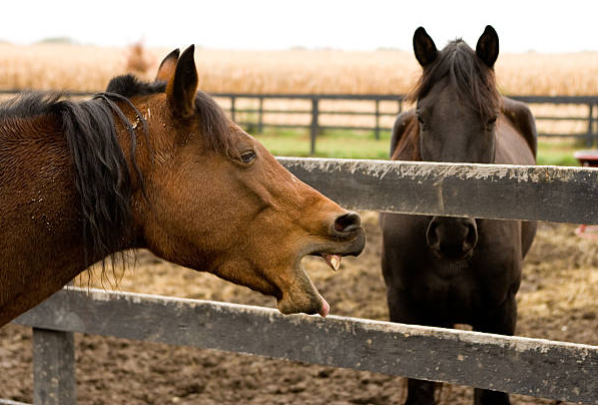
A horse’s cough can be concerning for any owner, as it may indicate an underlying health issue. While occasional coughing is normal, persistent or severe coughing warrants attention. In this comprehensive guide, we’ll explore the various causes of a horse’s cough, when it’s time to worry, and steps you can take to address the issue.
Understanding Normal Coughing Behavior:
Before diving into potential concerns, it’s essential to understand what constitutes normal coughing behavior in horses. Occasional coughing, especially after eating or drinking, during exercise, or when exposed to dust or allergens, is relatively common and usually not a cause for concern. However, persistent coughing, coughing accompanied by other symptoms such as nasal discharge or labored breathing, or coughing that interferes with your horse’s daily activities may indicate an underlying health problem.
Common Causes of Coughing in Horses:
- Respiratory Infections: Upper respiratory tract infections caused by viruses or bacteria are a common cause of coughing in horses. These infections can lead to symptoms such as nasal discharge, fever, and lethargy.
- Allergies: Horses, like humans, can develop allergies to various environmental factors such as pollen, dust, mold, or certain types of feed. Allergic reactions can manifest as coughing, nasal discharge, or skin irritation.
- Inflammatory Airway Disease (IAD): IAD is a chronic condition characterized by inflammation of the lower airways, often triggered by exposure to dust, mold, or poor air quality. Coughing is a common symptom of IAD, along with exercise intolerance and nasal discharge.
- Equine Asthma: Formerly known as heaves or recurrent airway obstruction (RAO), equine asthma is a chronic respiratory condition characterized by airway inflammation and bronchoconstriction. Coughing, wheezing, and increased respiratory effort are hallmark symptoms of equine asthma.
When to Worry:
While occasional coughing may not be cause for alarm, certain signs indicate that your horse’s cough may require veterinary attention:
- Persistent Coughing: If your horse’s cough persists for more than a few days or becomes increasingly frequent or severe, it’s time to consult your veterinarian.
- Other Symptoms: Coughing accompanied by nasal discharge, fever, lethargy, poor appetite, or labored breathing may indicate an underlying respiratory infection or more serious condition.
- Impact on Performance: If your horse’s cough interferes with their performance or ability to exercise, it’s essential to address the issue promptly to prevent further complications.
Treatment and Management:
Treatment for a horse’s cough depends on the underlying cause. Your veterinarian may recommend:
- Medications: Antibiotics, anti-inflammatories, bronchodilators, or corticosteroids may be prescribed to treat respiratory infections, allergies, or inflammatory airway conditions.
- Environmental Management: Implementing measures to reduce dust, allergens, and other respiratory irritants in your horse’s environment can help alleviate symptoms and prevent recurrence.
- Nutritional Changes: Adjusting your horse’s diet to minimize exposure to allergens or inflammatory ingredients may be beneficial for managing respiratory conditions such as equine asthma.
- Supportive Care: Providing supportive care such as rest, proper hydration, and a well-ventilated environment can help your horse recover from respiratory infections or manage chronic respiratory conditions.
Conclusion:
A horse’s cough should never be ignored, as it may signal an underlying health issue that requires attention. By understanding the common causes of coughing in horses, knowing when to worry, and seeking veterinary care when necessary, you can ensure your equine companion receives the appropriate treatment and support for optimal respiratory health. Remember, early intervention is key to preventing complications and promoting a speedy recovery for your horse.