
Garden Structures
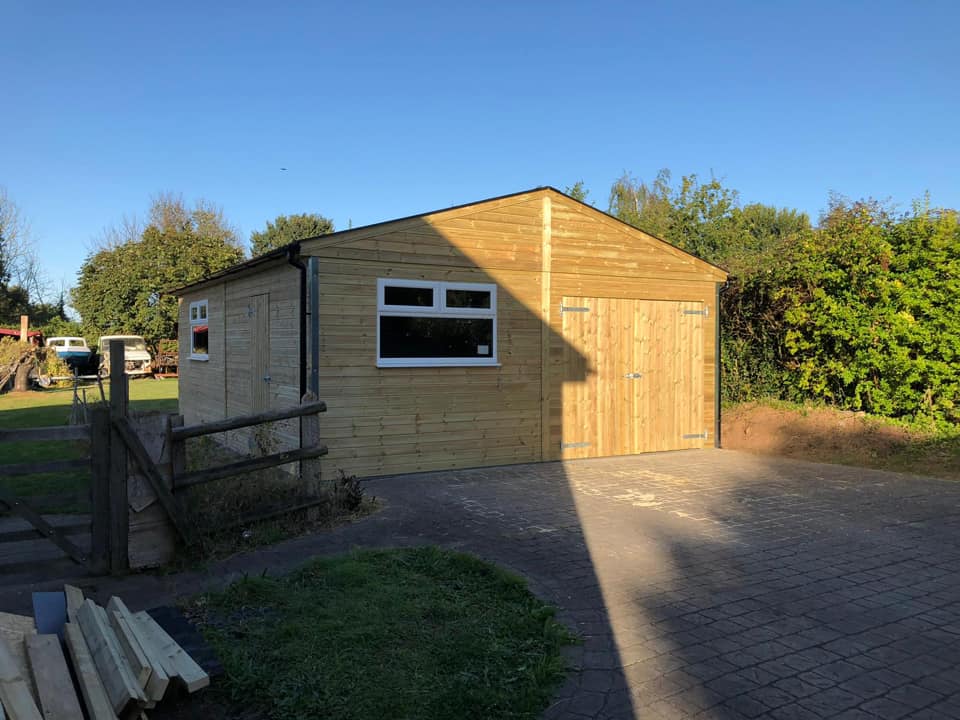
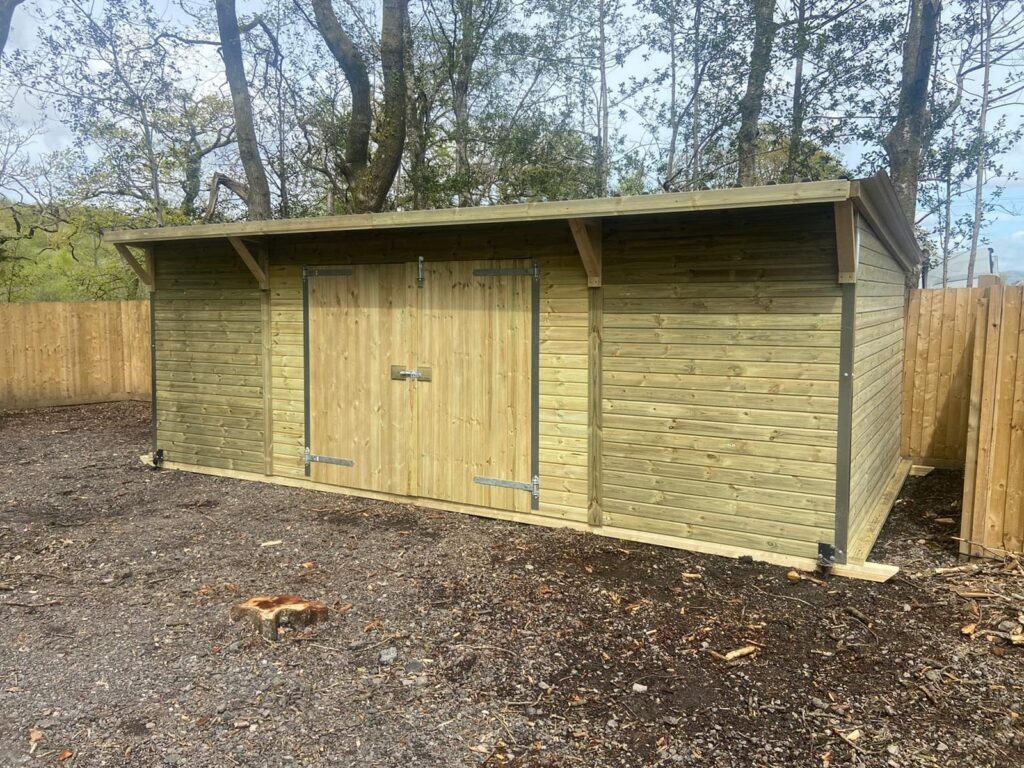
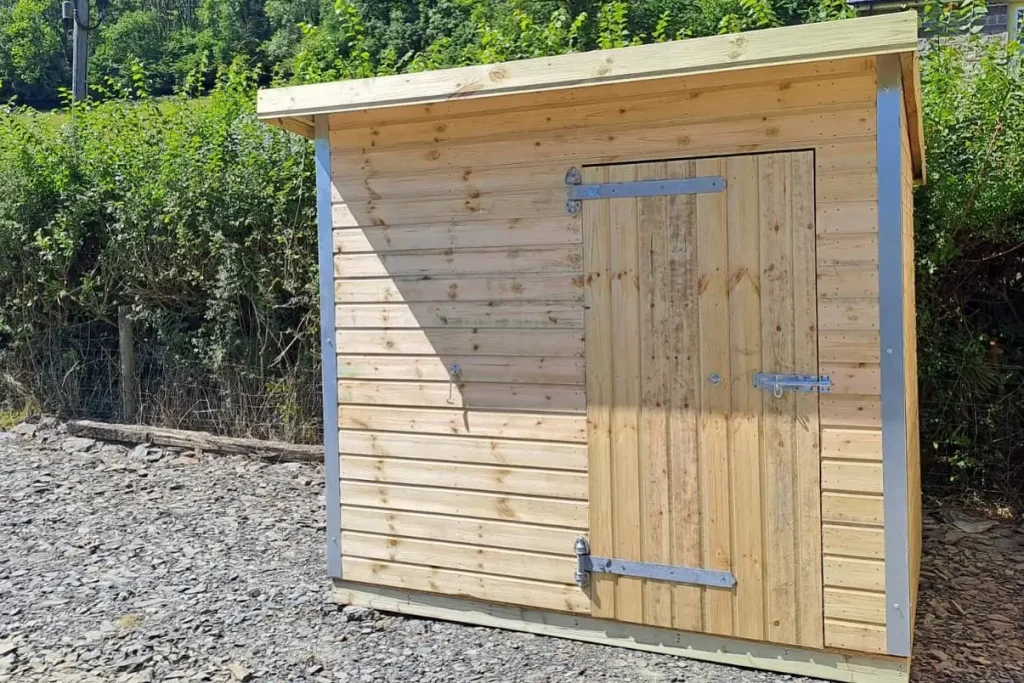
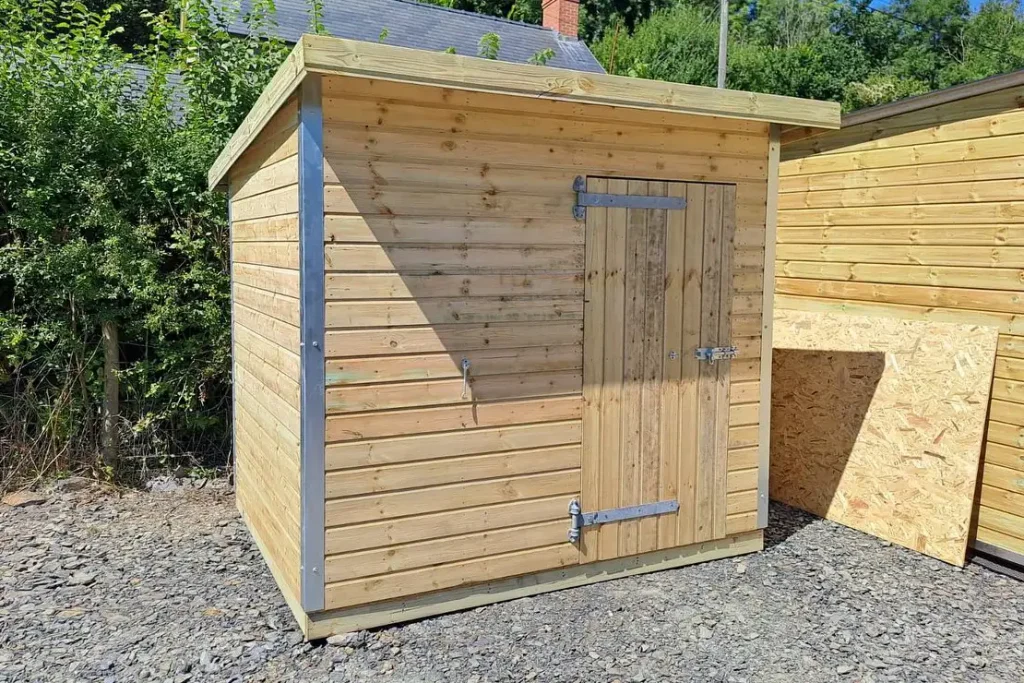
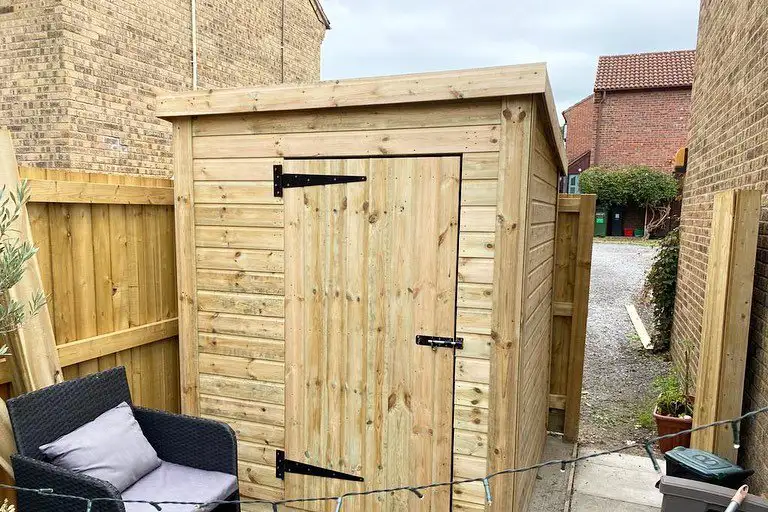
Garage & Workshops
Garage & Workshops
Our garages & workshops are designed to your exact specifications.


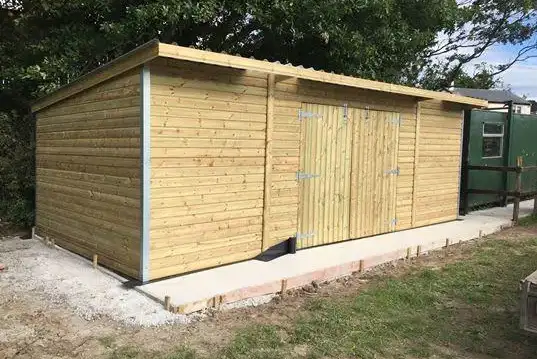
Timber buildings
A timber building, also known as a wood-framed or wooden building, is a structure primarily constructed using timber or wood as its main building material. It encompasses a wide range of architectural styles and designs, from residential homes and commercial buildings to industrial structures and public spaces.
Timber has been used as a building material for centuries, offering numerous advantages. It is renewable, sustainable, and has a lower carbon footprint compared to other construction materials like concrete or steel. Timber buildings promote environmental conservation by reducing greenhouse gas emissions and contributing to carbon sequestration.
The construction process of timber buildings typically involves the assembly of wooden frames, walls, and roofs. These components are often prefabricated or built on-site, depending on the scale and complexity of the project. Timber framing techniques, such as post-and-beam or balloon framing, are employed to provide structural support and stability.
In addition to its sustainable attributes, timber offers excellent thermal insulation properties. Wood naturally retains heat, reducing energy consumption and promoting energy efficiency within buildings. Timber structures also possess good acoustic properties, minimizing sound transmission and creating a comfortable indoor environment.
Timber buildings can be aesthetically appealing, allowing for versatile architectural designs. Wood offers a warm and natural aesthetic, creating a welcoming and cozy atmosphere. It can be combined with other materials, such as glass or metal, to create visually striking and innovative structures.
Moreover, timber buildings are known for their durability and resilience. Properly maintained wooden structures can withstand various weather conditions, including seismic events. Timber can also be treated to enhance its resistance to fire, decay, and pests.
With advancements in engineering and technology, timber buildings are now reaching new heights. Tall timber structures, such as multi-story residential buildings and even skyscrapers, are becoming more prevalent. Innovative techniques, like cross-laminated timber (CLT) and glue-laminated timber (glulam), allow for the construction of large-scale timber buildings that meet stringent safety and performance standards.
In conclusion, timber buildings offer a sustainable, aesthetically pleasing, and resilient alternative to conventional construction methods. They embody the principles of environmental consciousness and architectural innovation, shaping the future of modern urban development.